
Why Timely Tree Cutting Matters for Homeowners
Trees are fantastic additions to any property, offering shade, beauty, and even boosting your home’s value. But let’s be real, they aren’t always low-maintenance. When trees get too big, too old, or just plain unhealthy, they can turn from assets into serious liabilities. That’s where calling in the pros for tree cutting services. It’s not just about aesthetics; it’s about keeping your home, your family, and your wallet safe.
Safety risks of delaying professional tree cutting
Ignoring a tree that’s showing signs of trouble is like playing a game of chance with your property. A dead branch might seem harmless, but a strong gust of wind can turn it into a projectile, potentially smashing a window or, worse, hitting someone. Leaning trees are another big concern. They might look a little quirky now, but that lean could be a sign of root problems or structural weakness. If one of these decides to take a permanent nap, it could land on your roof, your car, or even your neighbor’s yard, leading to some awkward conversations and hefty repair bills.
- Falling branches: These can cause damage to roofs, cars, and outdoor living spaces.
- Toppling trees: A tree that falls completely can cause extensive structural damage to your home or other buildings.
- Obstructed views and access: Overgrown trees can block driveways, walkways, and even emergency vehicle access.
Sometimes, the most obvious signs are the ones we tend to ignore. That slightly crooked tree or the branch that’s been hanging a little too close to the house for years might not seem like a big deal until something goes wrong. Proactive care is always better than reactive cleanup.
How a tree cutting service protects your property and family
Calling a professional tree cutting service is a smart move for several reasons. First off, they have the know-how and the equipment to handle tricky situations safely. They can assess a tree’s health, identify potential hazards you might miss, and trim or remove trees without causing further damage. This preventative maintenance can save you a ton of money and stress down the line. Think of it as an investment in peace of mind. They’re trained to spot issues like disease or pest infestations early, too, which can help save a tree if it’s not too far gone, or at least prevent it from becoming a hazard.
- Expert assessment: Professionals can identify hidden dangers like rot, disease, or weak root systems.
- Safe removal: They have the right tools and techniques to remove trees or branches without damaging your property.
- Preventative care: Regular trimming can improve tree health, encourage better growth, and prevent future problems.
Visible Signs You Need a Tree Cutting Service
Sometimes, the signs that your trees need professional attention are pretty obvious. You don’t need to be an arborist to spot a problem; you just need to know what to look for. Ignoring these visible warnings can lead to bigger headaches down the road, so it’s smart to be aware.
Dead, Dying, or Leaning Trees Near Structures
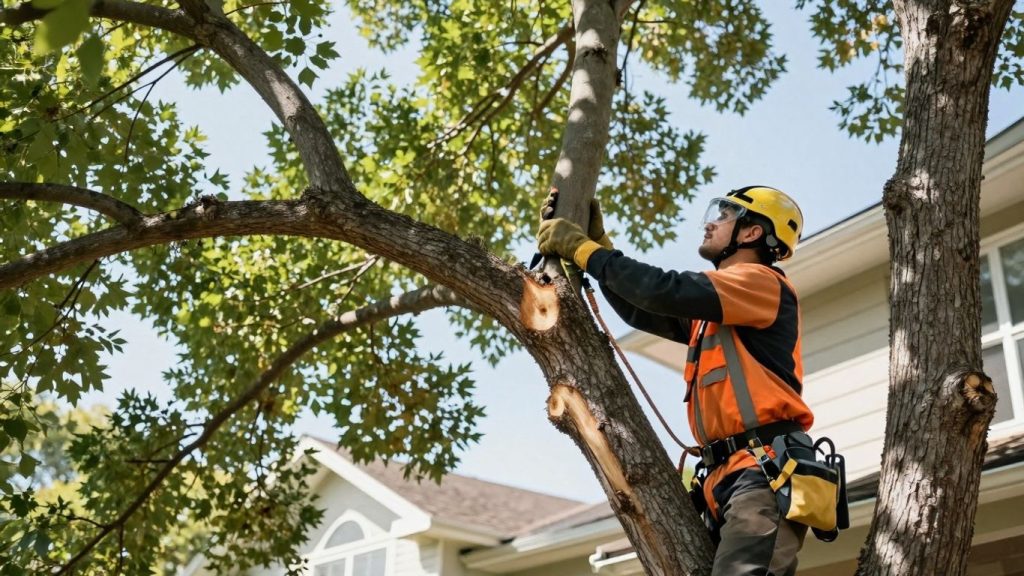
One of the most immediate concerns is a tree that looks unhealthy or unstable, especially if it’s close to your house, garage, or even a neighbor’s property. Dead or broken branches hanging precariously are a clear sign that it’s time to call in the tree trimming professionals. These aren’t just eyesores; they’re potential projectiles waiting for a strong gust of wind or a heavy snow. Look for limbs that are brittle, have no leaves when they should, or are cracked. If you see fungal growth on the trunk or large, deep cracks, that’s another red flag. A tree that’s suddenly leaning, or leaning more than it used to, might have root problems or structural weakness. This is definitely when to call a tree cutting service. It’s better to get a professional opinion on a dead tree removal near me than to wait for disaster.
Overgrown Branches Interfering with Roofs, Power Lines, or Driveways
Even healthy trees can become a problem if they get too big for their space. Branches that are constantly rubbing against your roof can damage shingles and lead to leaks. If limbs are growing too close to power lines, that’s a serious safety hazard that could cause outages or even fires. You might also have branches that are so low they make it difficult to park your car or walk under them. This is where a good tree maintenance company can really help. They can trim back the overgrowth, keeping your property safe and accessible. It’s not just about looks; it’s about preventing damage and ensuring safety for everyone around.
Here are some specific things to watch out for:
- Branches scraping against your house siding or windows.
- Roots are visibly pushing up sidewalks or driveways.
- Trees are blocking important views or access points.
When trees start to encroach on your living space or vital infrastructure, it’s a clear signal that professional intervention is needed. Don’t wait for damage to occur; proactive trimming can save you a lot of trouble and expense.
If you’re unsure about the health or safety of your trees, it’s always best to consult with a professional. They can assess the situation and recommend the right course of action, whether it’s trimming, pruning, or removal. Finding the right tree cutting service is key to keeping your property safe and your trees healthy.
Hidden Warning Signs Homeowners Often Miss
Sometimes, the most dangerous trees don’t look obviously sick. You might not see a giant crack or a branch hanging precariously over your car. These hidden issues can be just as serious, if not more so, because they’re harder to spot.
Tree diseases, pest infestations, and internal decay
It’s easy to overlook subtle signs that a tree is struggling. Things like discolored leaves that aren’t seasonal, or small patches of unusual growth, might seem minor. But these can be early indicators of diseases or pest problems that are slowly weakening the tree from the inside out. You might also notice mushrooms or other fungi growing on the bark or at the base of the tree. While not all fungi are bad, some are a clear sign of rot or decay within the trunk or roots. This internal damage is tough to see without professional tools, and it can make a tree surprisingly unstable.
- Unusual leaf color or spotting: Leaves changing color too early or having strange spots can signal disease.
- Bark abnormalities: Look for peeling bark, oozing sap, or small holes that might indicate insect activity.
- Fungal growth: Mushrooms or shelf-like fungi on the trunk or at the base are often a sign of decay.
A tree might look fine from a distance, but internal decay can compromise its entire structure. This hidden weakness means it could fail unexpectedly, even in mild weather.
Root damage affecting foundations, sidewalks, and underground lines
Tree roots are powerful, and they don’t always stay where we want them. Sometimes, they can start to interfere with things underground or even push up surfaces. You might notice cracks appearing in your sidewalk or driveway, or perhaps your foundation seems to be shifting slightly. These can be signs that tree roots are growing too close and causing damage. It’s not just about the visible cracks, though. Roots can also infiltrate underground pipes, like sewer or water lines, causing blockages and leaks that are expensive to fix. It’s hard to see what’s happening beneath the surface, which is why it’s important to be aware of these external signs.
- Cracks in sidewalks or driveways: Roots can exert significant pressure, causing pavement to buckle.
- Foundation issues: Small cracks or unevenness in your home’s foundation could be related to root growth.
- Plumbing problems: Recurring clogs or unexplained water leaks might be caused by roots in pipes.
Risks of Ignoring Professional Tree Cutting
Ignoring tree maintenance can lead to some pretty serious headaches, and honestly, some expensive ones too. It’s not just about how your yard looks; it’s about what could happen when a tree decides it’s had enough.
Property Damage and Liability Concerns
When a tree is unhealthy or unstable, it becomes a ticking time bomb for your property. Think about branches that are cracked or split – they might seem minor, but they’re weak points just waiting for a strong wind or heavy snow to snap them. These falling limbs can do a real number on your roof, your car, or even your neighbor’s fence. And if a tree or a big branch falls onto someone else’s property, guess who’s on the hook? You are. That’s where liability comes in. It’s a homeowner’s worst nightmare to have their tree cause damage or, even worse, injure someone. A professional hazardous tree assessment is your best bet to avoid these costly surprises.
Increased Costs from Emergency Tree Removal Services
Waiting until a tree is practically falling over or a storm has already done major damage is a recipe for disaster, financially speaking. Emergency tree removal services are almost always more expensive than scheduled maintenance. You’re paying a premium for the urgency and the often-difficult conditions they have to work in. Plus, the damage caused by a fallen tree often leads to repair bills on top of the removal costs. It’s like waiting for your car to break down completely before getting an oil change – you end up paying way more in the long run.
Here’s a quick look at why proactive care saves money:
- Scheduled Trimming: Prevents branches from growing into power lines or onto roofs.
- Disease/Pest Treatment: Catches problems early before they weaken the entire tree.
- Hazardous Tree Assessment: Identifies and removes trees that pose an immediate risk.
- Emergency Removal: Often involves complex situations, difficult access, and immediate danger, driving up costs.
Sometimes, a tree might look fine from the ground, but there could be internal rot or disease that only a professional can spot. Ignoring these hidden issues means you’re just waiting for the inevitable, and the cleanup will be much bigger than if you’d addressed it earlier.
How to Choose the Right Tree Cutting Service
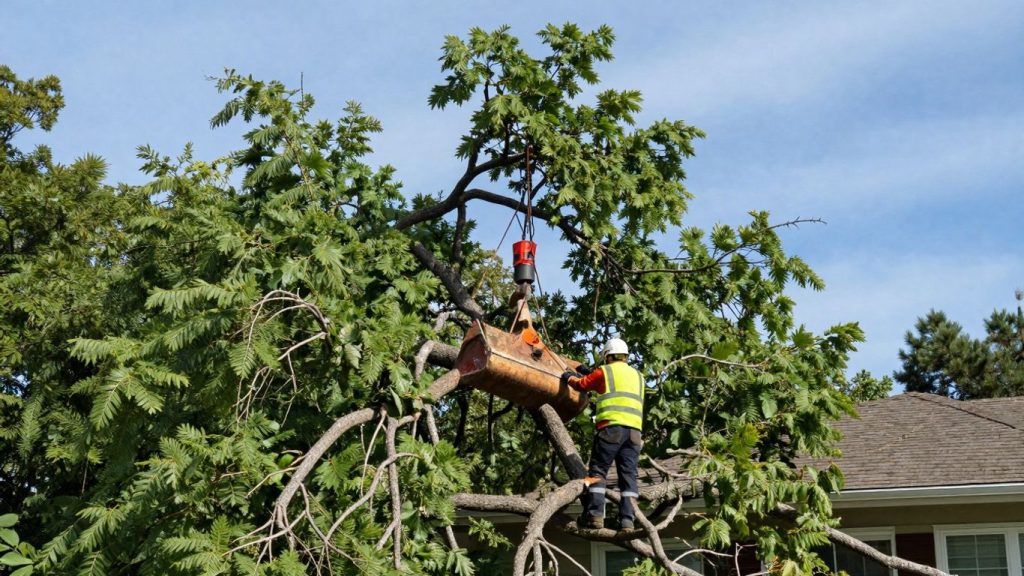
So, you’ve decided it’s time to bring in the pros to handle your trees. That’s a smart move, honestly. Trying to tackle big tree jobs yourself can get messy, and frankly, a little dangerous if you don’t have the right gear or know-how. But with so many companies out there, how do you pick the one that’s actually good and won’t leave you with more problems than you started with?
What to Look For in a Licensed, Insured Tree Cutting Company
First off, you want to make sure they’re legit. This isn’t just about having a business card; it’s about your safety and your property. A company that’s properly licensed and insured is non-negotiable. This means they’ve met certain standards and, more importantly, if something goes wrong – like a branch falls on your neighbor’s fence or a worker gets hurt – their insurance should cover it, not you.
Here are some key things to check:
- Licensing: Does the company have the necessary local or state licenses to operate? This varies by area, so it’s worth a quick check.
- Insurance: Ask for proof of liability insurance and workers’ compensation. Don’t just take their word for it; ask to see the certificates.
- Arborist Certification: While not always required, a certified arborist on staff means they have trained professionals who really know their stuff about tree health and care.
- Experience: How long have they been in business? Do they have experience with the types of trees you have and the kind of work you need done?
Questions to Ask Before Hiring a Local Tree Cutting Service
Once you’ve got a few potential companies in mind, it’s time to have a chat. Don’t be shy about asking questions; it’s your property and your money.
- Can you provide a detailed written estimate? This should break down the costs for labor, equipment, and debris removal. No surprises later, right?
- What is your process for tree removal or pruning? Understanding their methods can give you peace of mind.
- What kind of equipment will you be using? This can indicate their capability for larger or more complex jobs.
- What happens to the debris? Will they haul it away, or is that an extra charge? A clean job site is important.
- Can you provide references from past clients? Talking to previous customers is a great way to gauge their reliability and quality of work.
When you get an estimate, make sure it’s in writing. This document should clearly outline the scope of work, the total cost, the payment schedule, and the estimated completion date. It protects both you and the service provider.
It’s also a good idea to get quotes from at least three different companies. This helps you compare prices and services, ensuring you’re getting a fair deal for professional work. Remember, the cheapest option isn’t always the best. You’re looking for a balance of good service, safety, and reasonable cost.
Frequently Asked Questions
What are the main signs that tell me I need to call a tree cutting service?
Keep an eye out for trees that are leaning a lot, have branches that look dead or are broken, show signs of rot or fungus, or if their roots are pushing up sidewalks or foundations. These are clear signals that a professional should check things out.
How soon should I call for help after a big storm?
If a tree is leaning dangerously, has fallen partially, or has large broken branches hanging over your house or yard, it’s best to call an emergency tree cutting service right away to prevent accidents.
How can I tell if a tree needs to be cut down completely or just trimmed?
A tree cutting service can look at the tree’s health. If it’s just overgrown but healthy, they might suggest trimming. But if it’s sick, dead, or unstable, they’ll likely recommend removal for safety.
Is there a big difference between cheap tree cutting and hiring professionals?
Sometimes, cheaper services might cut corners. Professional services, even if they cost a bit more, usually ensure the job is done safely, cleaned up properly, and that the tree is handled the right way. It’s about getting good, safe work done.
What should I look for when choosing a tree cutting company?
Make sure the company is licensed and insured, which protects you. Check if they have good reviews from other customers and ask about their experience with trees like yours. It’s also good to ask for a quote beforehand.
What questions should I ask a tree-cutting service before hiring them?
You should ask if they are insured, if they have certified arborists on staff, what their experience is, if they handle cleanup, and get a written estimate for the work. Knowing these details helps you make a good choice.
