
Pruning Cedar Trees: When and How to Trim Them Properly
When it comes to keeping your cedar trees looking their best and growing strong, knowing the right time and method for pruning is key.
Safe Techniques to Maintain Tree Strength
So, when should you actually get out there with the shears? The sweet spot for trimming cedar trees is generally in late winter, usually around February or March. This is when the trees are dormant, meaning they’re not actively growing. Pruning during this time causes less stress to the tree and also means fewer pests and diseases are around to cause trouble. It gives your tree a chance to recover and get ready for the spring growing season.
Avoid trimming during late summer and fall, especially from August through November. Doing so can encourage new growth that might not survive the cold weather, leaving your tree vulnerable to frost damage. Plus, cuts made during this time stay open longer, making them more susceptible to diseases.
Here’s a quick rundown of why pruning matters and some basic cedar tree care tips:
- Health Boost: Removing dead or diseased branches stops problems from spreading and helps the tree focus its energy on healthy parts. This is a big part of maintaining cedar tree health.
- Shape Control: Pruning helps maintain the tree’s natural shape and can prevent branches from growing into unwanted areas, like near your house or power lines.
- Airflow and Light: Thinning out dense areas allows better air circulation and sunlight penetration, which is good for the tree’s overall well-being and can prevent fungal issues.
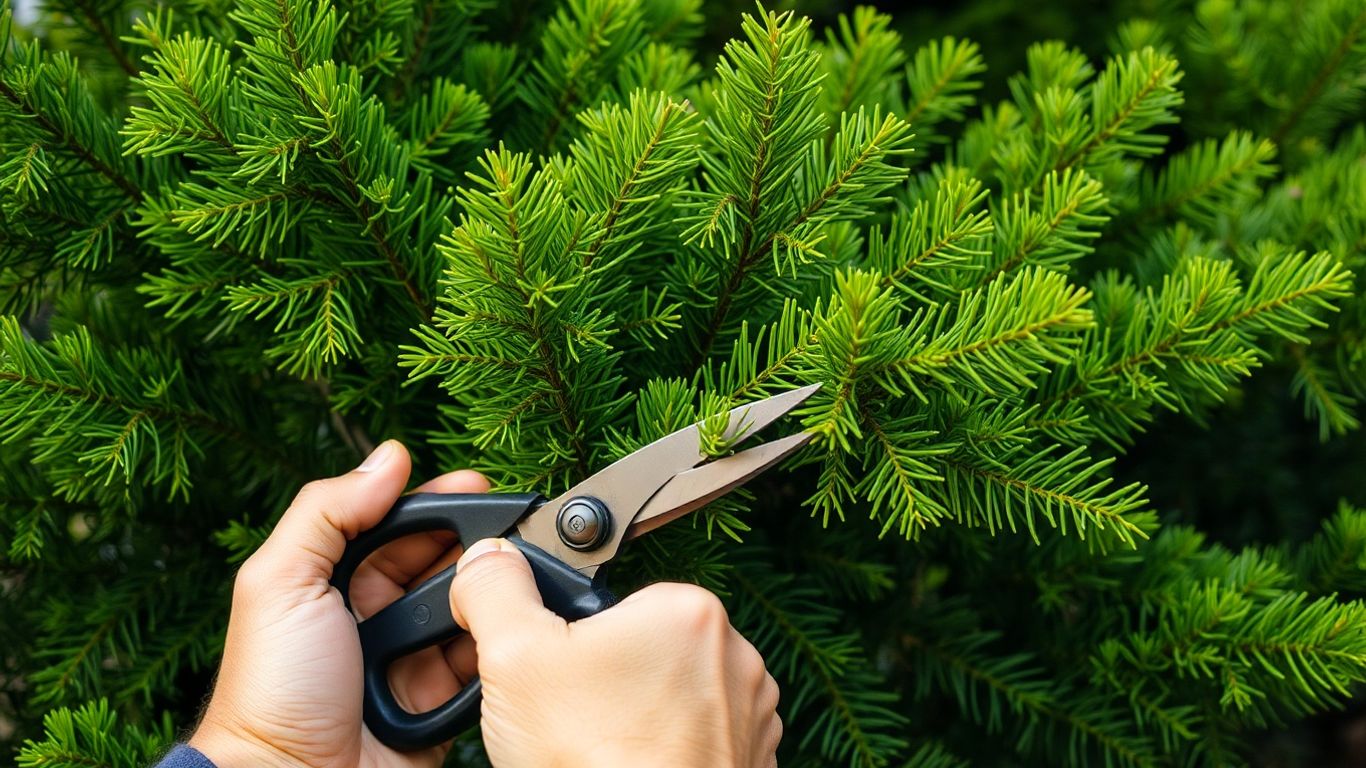
When you’re ready to start, make sure you have the right tools. Sharp pruning shears for small branches, loppers for medium ones, and a good saw for anything bigger are essential. Always make clean cuts right at the branch collar – that little bump where the branch meets the trunk. This helps the tree heal properly.
Remember, it’s better to prune a little bit more often than to try and remove a huge amount all at once. Over-pruning can shock the tree, so take your time and step back to look at your work from different angles to keep the cedar tree shaping techniques looking natural and balanced.
Why Pruning Cedar Trees Matters
Regular pruning is key to helping your cedar tree live a long, healthy life. When you remove dead or diseased branches, you’re stopping potential problems before they can spread and weaken the entire tree. This keeps the tree looking its best, too. A well-shaped cedar is a beautiful addition to any yard, and proper trimming helps it maintain that attractive, natural form. It’s about keeping your tree vibrant and a real asset to your landscape.
Prevent Damage and Disease with Expert Care
Overgrown cedars can sometimes cause more trouble than they’re worth. Branches that get too long might start to rub against your house, or worse, get too close to power lines. Pruning these out-of-control branches is a smart way to avoid potential damage to your property and keep everyone safe, especially during windy weather or storms. It also helps prevent diseases from taking hold. When branches are too crowded, air can’t circulate well, creating a damp environment where fungi love to grow. Thinning out these dense areas lets in light and air, making it harder for diseases to get a foothold.
Sometimes, a tree might look a bit scraggly or have branches growing in awkward directions. Pruning helps guide its growth, making sure it develops a strong structure that can withstand the elements. It’s a proactive step that pays off in the long run, keeping your tree both beautiful and resilient.
Trimming Cedar Trees vs. Pruning: What’s the Difference?
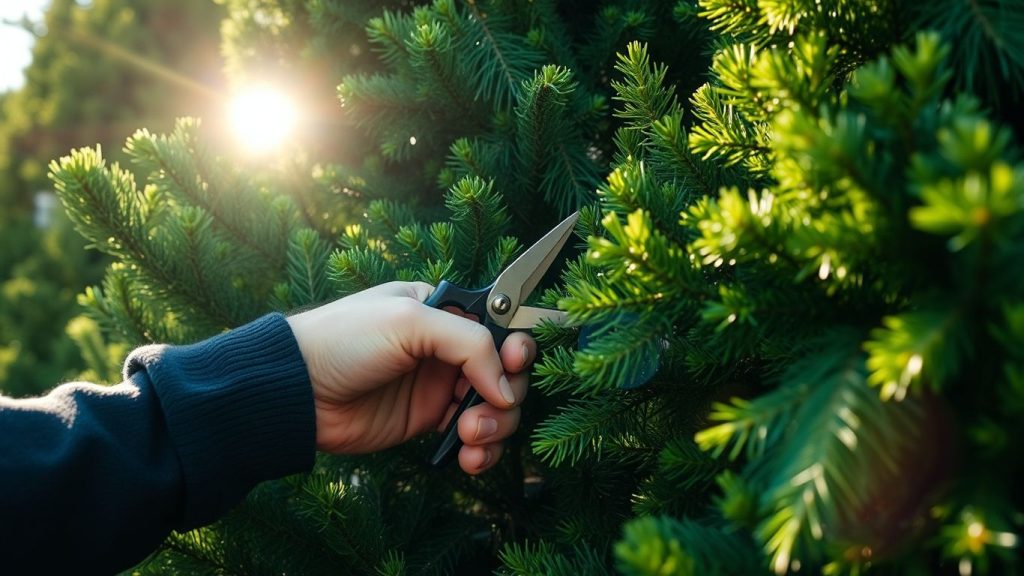
Interchangeably, when talking about cedar trees, and honestly, it’s easy to see why. Both involve cutting parts of the tree. However, there’s a subtle distinction that can matter for the tree’s long-term health and appearance. Think of pruning as the more strategic, health-focused approach. It’s about making cuts to remove dead, diseased, or damaged branches, or to improve the tree’s structure and airflow. This kind of work is often done with specific goals in mind, like preventing disease spread or encouraging better growth patterns.
Trimming, on the other hand, can sometimes be a bit more about shaping or size control. For instance, when you’re trying to keep a cedar hedge looking neat and tidy, or if branches are getting too close to your house, you’re often “trimming” them back. It’s less about the tree’s internal health and more about its external presentation and its relationship with its surroundings.
While both actions involve cutting, pruning is generally considered a more beneficial practice for the tree’s well-being, whereas trimming can sometimes be more about aesthetics or immediate problem-solving.
Here’s a quick breakdown:
- Pruning: Focuses on health, structure, and longevity. It involves removing problematic branches (dead, diseased, crossing) to promote better growth and resilience. This is often done during the dormant season.
- Trimming: Can be more about shaping, size management, or clearing obstructions. It might be done more frequently to maintain a specific look, especially for hedges.
When you’re dealing with larger limbs or trying to correct structural issues, it’s often best to consult with professionals who offer tree trimming services. They have the knowledge to make the right cuts for the tree’s benefit.
It’s important to remember that even when trimming for shape, making clean cuts just outside the branch collar is always the best practice. This helps the tree heal properly and reduces the risk of infection, regardless of whether you call it trimming or pruning.
Are you trying to keep it healthy and strong for years to come, or are you just tidying up its appearance? Knowing this will guide your actions and tool choices.
When to Trim Cedar Hedges for Best Results
Figuring out the right time to trim your cedar hedges is pretty important if you want them looking their best and staying healthy. The best time to trim cedar hedges is generally in late winter or early spring, before new growth really kicks in.
Maintain Dense, Healthy Hedges
To keep your cedar hedges thick and full, you’ll want to prune them strategically. Think about shaping them so they are slightly wider at the bottom than at the top. This way, sunlight can reach all parts of the hedge, preventing the lower branches from getting sparse. Regular trimming encourages bushier growth, which is exactly what you want for a dense hedge. It’s also a good idea to remove any dead or damaged branches whenever you see them, regardless of the season, to keep the plant healthy.
How to Prune Cedar Trees Without Damaging Them
Sharp pruning shears are great for smaller branches, while loppers or a pruning saw will be needed for thicker ones. When cutting a branch, aim to do so just above a bud or a side branch. If you’re removing a larger branch, cut it back to the branch collar – that slightly swollen area where the branch meets the trunk. This helps the tree heal properly. So focus on making those cuts clean and precise.
Safe Pruning Practices by Trained Arborists
If you’re unsure about how to trim your cedar hedges or if they’re quite large, it might be worth looking into professional hedge trimming services. Arborists know the best techniques to shape your trees without causing harm. They understand the specific needs of cedar trees and can identify any signs of disease or stress that you might miss. Plus, they have the proper equipment and safety gear to get the job done efficiently and safely, especially if your hedges are tall or hard to reach. They can help maintain the overall health and appearance of your trees, making sure they look great for years to come.
Common Mistakes Homeowners Make When Trimming Cedar Trees
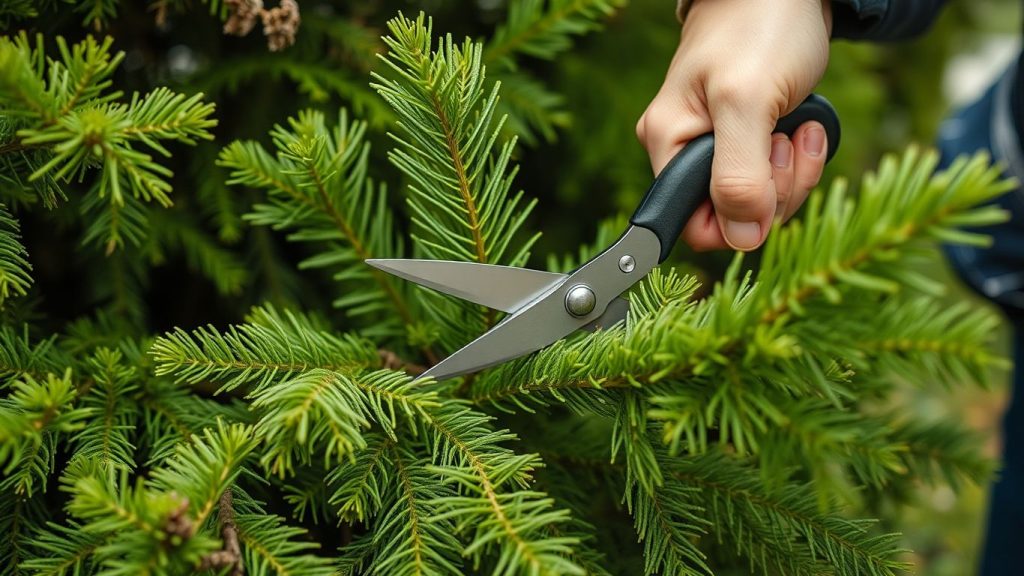
It’s easy to think that pruning a cedar tree is just like trimming a hedge, but that’s where many folks go wrong. One of the biggest slip-ups is cutting too much at once. Cedars, especially mature ones, can get stressed if you remove a large portion of their foliage in a single go. This can lead to weak growth or even dieback. Always aim to remove no more than 25-30% of the tree’s canopy in a year.
Another common error is using the wrong tools. Dull or dirty pruners can tear branches instead of making clean cuts. This leaves the tree vulnerable to pests and diseases. Think about it: a jagged wound takes way longer to heal than a smooth one. Investing in sharp, clean tools is a small price to pay for your tree’s health.
People also tend to prune at the wrong time of year. While cedars are pretty forgiving, there are definitely better times than others. For instance, heavy pruning in late summer or fall can encourage new growth that won’t have time to harden off before winter, leaving it susceptible to frost damage. It’s generally best to stick to the late spring or early fall for most shaping and thinning.
Here are a few more things to watch out for:
- Ignoring the natural shape: Trying to force a cedar into an unnatural shape often leads to problems down the line. Let the tree’s natural form guide your pruning decisions.
- Cutting into old wood: Cedars don’t regrow well from old, bare wood. Always try to make cuts back to a point where there’s healthy foliage or a smaller side branch.
- Not sanitizing tools: If you’re moving from one branch to another, especially if you suspect disease, clean your tools. A quick wipe with rubbing alcohol can prevent spreading issues.
Many homeowners also mistakenly believe that pruning is only for aesthetic reasons. While shaping is important, pruning also plays a vital role in tree health by removing dead or diseased branches, improving air circulation, and reducing the risk of storm damage. It’s a functional practice as much as it is a beautifying one.
Finally, there’s the issue of over-shaping, especially with cedar hedges. Trying to create perfectly sharp, geometric lines can sometimes lead to dense growth on the outside with little light penetration inside, causing the interior to thin out and die. Remember, a little natural flow goes a long way in keeping your cedars looking their best and staying healthy.
Avoid DIY Errors that Harm Trees
So, you’ve decided to tackle pruning your cedar trees yourself. That’s great! It can be a rewarding experience, but it’s also easy to make mistakes that can actually hurt your trees in the long run. Let’s talk about some common pitfalls and how to steer clear of them.
Expert Tips from Certified Tree Care Professionals
When you’re out there with your pruners, remember a few key things. First off, always use sharp, clean tools. Dull blades can tear branches, making it harder for the tree to heal and opening the door for diseases. Think of it like using a dull knife to cut a tomato – messy and not ideal. Make sure your shears, loppers, or saw are good quality and have been sterilized, especially if you’ve used them on other plants.
It’s also super important to know where to cut. You want to prune just outside the branch collar, which is that slightly swollen area where the branch meets the trunk or a larger limb. Cutting too close can damage the collar, and cutting too far out leaves a stub that won’t heal properly. A clean cut here helps the tree seal the wound quickly.
Here are some other things to keep in mind:
- Don’t remove too much at once. A general rule of thumb is to never remove more than 25% of the tree’s living foliage in a single season. Over-pruning can stress the tree, making it weak and vulnerable. It’s better to do a little bit each year than to try to fix everything in one go.
- Identify and remove dead, diseased, or damaged branches first. These are usually the easiest to spot, and taking them off helps the tree focus its energy on healthy growth. If you see branches rubbing against each other, take off one of them to prevent further damage.
- Understand your cedar’s natural shape. Cedars often have a beautiful, natural form. Try to prune in a way that complements this shape, rather than forcing it into something unnatural. Step back often to check your progress from different angles.
Trying to mimic the look of a professionally maintained landscape without the proper knowledge can lead to significant damage. It’s easy to get carried away and remove too much, or to make cuts in the wrong places, which can weaken the tree’s structure and make it more susceptible to pests and diseases. Sometimes, the best approach is to consult with professionals who understand the specific needs of your trees.
When in doubt, it’s always a good idea to consult with a certified arborist. They have the knowledge and experience to assess your tree’s health and provide the best pruning strategy. For instance, Crown Arborists offers comprehensive tree care services that can help keep your cedars looking their best and growing strong.
Frequently Asked Questions
What are the signs that my cedar tree needs pruning?
Look out for branches with brown or dead leaves, or areas where branches are growing too close together, blocking sunlight and air. If branches are touching your house or power lines, it’s definitely time to trim. Also, if your tree is starting to look a bit lopsided or unhealthy, a trim can help it regain its shape and vitality.
How do I know if my cedar tree needs pruning?
Look for dead or damaged branches, crowded areas blocking sunlight, or branches touching your house or power lines.
How much should I prune at once?
Remove no more than 25% of the tree’s living foliage in a season. Focus on dead or diseased branches first.
